Dunellen General Contractor Delivering Reliable Construction Services
Dunellen General Contractor Delivering Reliable Construction Services
Blog Article
Why Picking the Correct General Contractor Is Vital for Your Project
Determining the right general contractor is a pivotal judgment that can greatly shape a project's success. A competent contractor guarantees productive management and adherence to spending limits. Their expertise to work through setbacks and maintain clear correspondence is indispensable. However, many construction owners overlook key factors in this procurement mechanism. Understanding these elements can point to better outcomes and boosted satisfaction. What should one assess when making this notable decision?
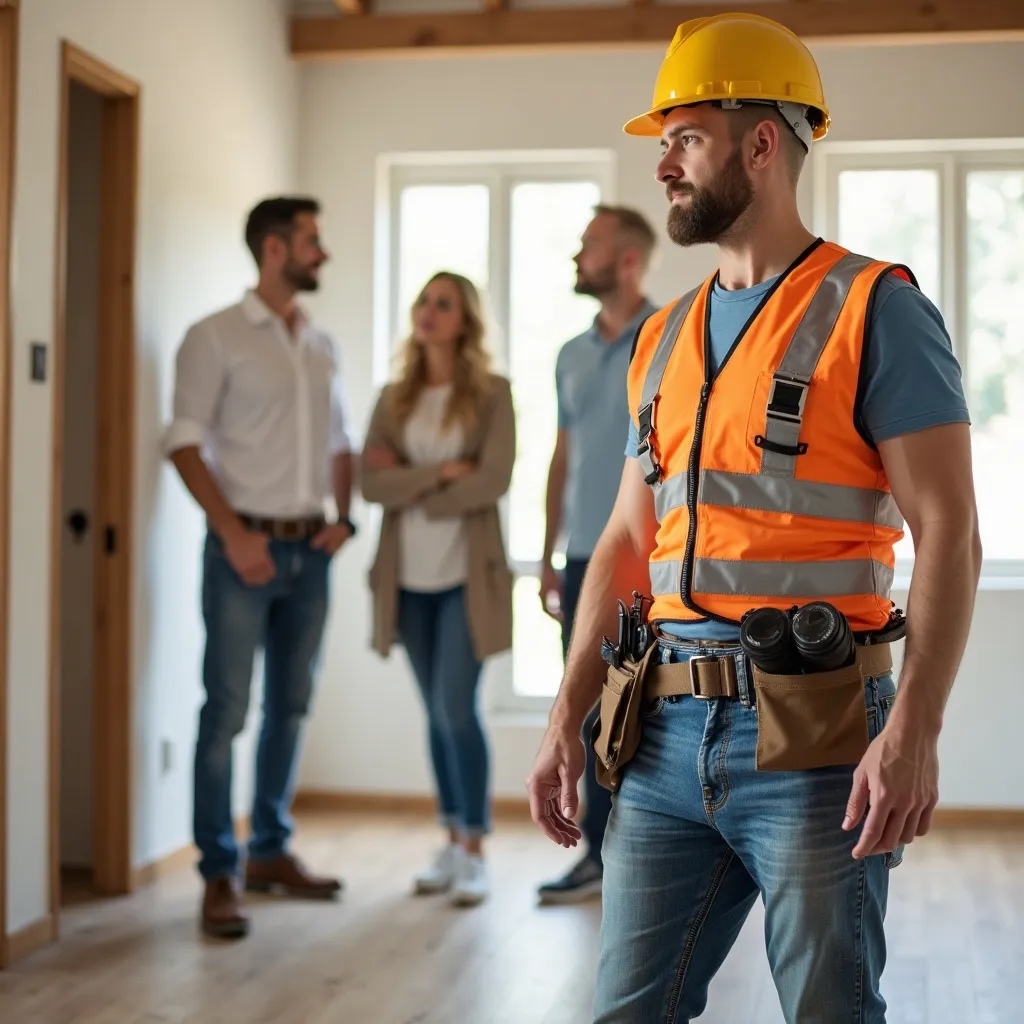
Standard Challenges in Choosing a General Construction Expert
When selecting a general contractor, prospective customers often face several common challenges that can complicate the selection process. One major obstacle is the vast quantity of options available, which can result in confusion and indecision. Clients may struggle to differentiate between contractors based on credentials, background, and cost, rendering it challenging to identify who will best meet their construction requirements.
An additional setback is the opaqueness in contractor bids, where concealed expenditures may emerge later, affecting the project expenditure. Additionally, clients may face related to communication problems; some contractors may be remiss to keep clients informed across the process, causing frustration. Finally, clients often grapple with verifying a contractor's recommendations and past work, which can bring about indecision about the service caliber expected. These hindrances call upon intentional analysis and research to make certain the right choice is made.
Importance of a Trustworthy Construction Professional
A reliable general contractor plays an essential role in ensuring efficient project management and maintaining quality assurance content standards. Their expertise helps streamline processes, reducing delays and costs. Additionally, a trustworthy contractor upholds quality standards, resulting in superior craftsmanship and client satisfaction.
Enhance Project Management Efficiency
Effective project coordination rests on the trustworthiness of a general contractor. A trustworthy contractor ensures that deadlines are met, resources are allocated properly, and communication operates smoothly among all stakeholders. Their capability to coordinate subcontractors, suppliers, and laborers directly impacts the overall advancement and success of the project. A dependable contractor anticipates issues, implements fixes swiftly, and keeps attention on objectives, reducing delays and cost overruns. This effectiveness encourages a collaborative environment, allowing for adjustments and improvements where necessary. Ultimately, the general contractor's dependability boosts both the operational aspects of the project and the confidence among clients and team members, making sure everyone is aligned toward a successful outcome.
High-Quality Assurance Standards
Dependable general contractors play a pivotal role in upholding quality control during the entire project. They guarantee that every task complies with established guidelines and industry best practices, which remains essential to the durability and safety of the structure. A competent contractor holds strict oversight over materials and workmanship, performing regular inspections to find and resolve problems quickly. This proactive approach reduces risks linked to inferior construction, in turn safeguarding the investment. Furthermore, a reliable contractor encourages communication among all stakeholders, guaranteeing clear and fulfilled expectations. By focusing on quality assurance, a skilled general contractor not only enhances the end product but also gains trust with clients, laying the groundwork for successful project results.
Analyzing a Service Provider's Track Record and Reputation
When evaluating a general contractor, grasping their experience and reputation is crucial, as these elements significantly affect project outcomes. A contractor's experience typically shows their ability to manage different kinds of projects, intricacies, and challenges. Examining their portfolio delivers understanding into past projects, showcasing skill and meticulous attention to detail.
Additionally, credibility serves as a vital factor in creating trust. Prospective clients should seek online reviews, client feedback, and references to evaluate satisfaction levels from previous clients. Engaging with past customers can show the contractor's reliability, communication skills, and adherence to timelines and budgets.
Moreover, professional associations and certifications can fortify a contractor's credibility, indicating a devotion to quality and virtuous practices. By thoroughly evaluating both proficiency and reputation, clients can determine the best choice, decisively setting the stage for a outstanding construction project.
Essential Characteristics of a Reliable Contractor
A reliable contractor consistently exhibits integrity, transparency, and excellent interpersonal abilities. These essential qualities form the foundation of a successful professional partnership. Honesty ensures the contractor adheres to moral standards, providing honest assessments and realistic schedules. Openness involves openly sharing assignment information, including costs and potential challenges, fostering confidence between the contractor and the client.
Strong interpersonal abilities facilitate the contractor to convey ideas efficiently, listen to client needs, and resolve any concerns that occur during the project. Additionally, a trustworthy contractor exhibits adaptability, adjusting to changes and unforeseen circumstances with composure and resilience. Close attention to detail is a further essential trait; it shows a commitment to quality and accuracy in every aspect of the work. All things considered, these traits not only improve project outcomes but also provide a positive experience for clients, making the hiring of a trustworthy contractor all the more critical.
Critical Topics to Ask When Hiring Your General Contractor?
What method can a person use to ensure they select the best general contractor for their project? By asking a collection of targeted questions, potential clients can more effectively evaluate candidates. Initially, asking about the contractor's experience with comparable assignments provides insight into their expertise. It's also vital to request for references; speaking with previous clients can uncover the contractor's reliability and standard of work.
Subsequently, evaluating licensing and insurance ensures that the contractor complies with legal requirements and protects the client from unforeseen liabilities. Clients ought to also request information about timelines and project management methods to evaluate how the contractor will manage the project efficiently.
Budget conversations are essential; asking for a comprehensive quote prevents unexpected costs later. Finally, understanding the contractor's communication preferences can set the foundation for a successful partnership. By tackling these important inquiries, clients can choose wisely in selecting their general contractor.
Communication Is Critical With Your Contractor
Effective engagement with a contractor is vital for assignment success. Defining transparent goals and offering timely communications can eliminate misunderstandings that often lead to costly setbacks. Additionally, cultivating an candid dialogue builds rapport, ensuring a improved partnership throughout the construction effort.
Explicit Specifications Guarantee Positive Outcomes
Establishing well-defined expectations is vital for a effective partnership with a general contractor. Effective communication creates the groundwork for understanding project goals, timelines, and budget constraints. When both parties articulate their needs and concerns, it reduces the risk of misunderstandings that can hinder progress. A contractor who knows the specific requirements can distribute resources wisely and address potential challenges proactively. In addition, transparency fosters accountability, guaranteeing that the contractor delivers on promises and that the homeowner feels involved in the process. By prioritizing open dialogue from the outset, clients can boost teamwork and satisfaction, ultimately leading to a more seamless project execution. Clear expectations not only streamline operations but also build trust between the homeowner and the contractor.
Opportune Notifications Avoid Misinterpretations
Establishing clear expectations establishes the foundation for productive teamwork, while ongoing communication remains equally important. Timely reports from a general contractor can ward off confusion that could arise over the course of a project. When construction teams regularly share progress updates, clients remain informed on project timelines, cost changes, and potential complications. This proactive communication serves to align each side's intentions and lessens the likelihood of disagreements later on. Moreover, when concerns arise, swift communication enables faster fixes, ensuring the work remains on track. Through fostering a culture of transparent dialogue, contractors demonstrate their commitment to the job's accomplishment, ultimately creating a more streamlined operation and greater customer gratification. Consequently, prompt updates function as a foundational element for upholding clarity and faith throughout the construction process.
Open Dialogue Creates Trust
As a endeavor unfolds, upholding an open dialogue with the primary contractor becomes paramount for encouraging trust and collaboration. Direct communication guarantees that all involved parties have a complete understanding of objectives, timelines, and potential roadblocks. When contractors and clients maintain regular discussions, it lets for the identification of setbacks before they escalate, minimizing problems. This candor not only builds certainty but also optimizes the overall building experience. Additionally, an open line of communication welcomes responses, enabling the construction leader to make corrections that conform to the client's vision. Ultimately, strong communication establishes a foundation of mutual respect, which is key for the achievement of any construction project. Trust cultivated through dialogue leads to better outcomes for everyone participating.
Commonly Asked Questions
What procedures should I take to validate if a Contractor maintains a valid credential?
To determine if a contractor is licensed, one should examine local licensing boards or websites, validate their license number, and confirm it's active. Additionally, reviewing online reviews can furnish knowledge about their integrity and dependability.
What Insurance Should My Work Professional Obtain?
A contractor ought to obtain general liability insurance, workers' compensation, and, if necessary, professional liability insurance. These safeguard against potential damages, workplace injuries, and errors in workmanship, ensuring economic security for both the service provider and the client.
How Do I Validate a Contractor's Past Work?
To assess a contractor's background, one should request a list of former clients, reach out to them directly, and inquire about their experiences. Additionally, studying digital reviews and rankings can supply valuable insights into the contractor's credibility.
What Can I Take Action if Problems Occur During the Project?
If difficulties surface during the project, one should document the concerns, communicate directly with the contractor, and seek a resolution. If required, engaging a mediator or consulting a legal professional may also be warranted.
What Alert Signs Should You Keep an Eye On During the Hiring Process?
Problem indicators during the hiring process feature vague estimates, lack of references, poor communication, incomplete licenses, and poor online reviews. These indicators suggest conceivable difficulties that might influence the project's quality and timeline.
Report this page