Transform Your Property with a Trusted Dunellen General Contractor
Transform Your Property with a Trusted Dunellen General Contractor
Blog Article
Why Choosing the Right General Contractor Is Essential for Your Project
Choosing the right construction professional is a pivotal decision that can significantly influence a project's outcome. A suitable contractor ensures effective oversight and compliance to budgets. Their capacity to navigate challenges and maintain clear communication is essential. However, many project stakeholders ignore critical elements in this selection procedure. Comprehending these elements can lead to better results and increased satisfaction. What should one evaluate when making this important decision?
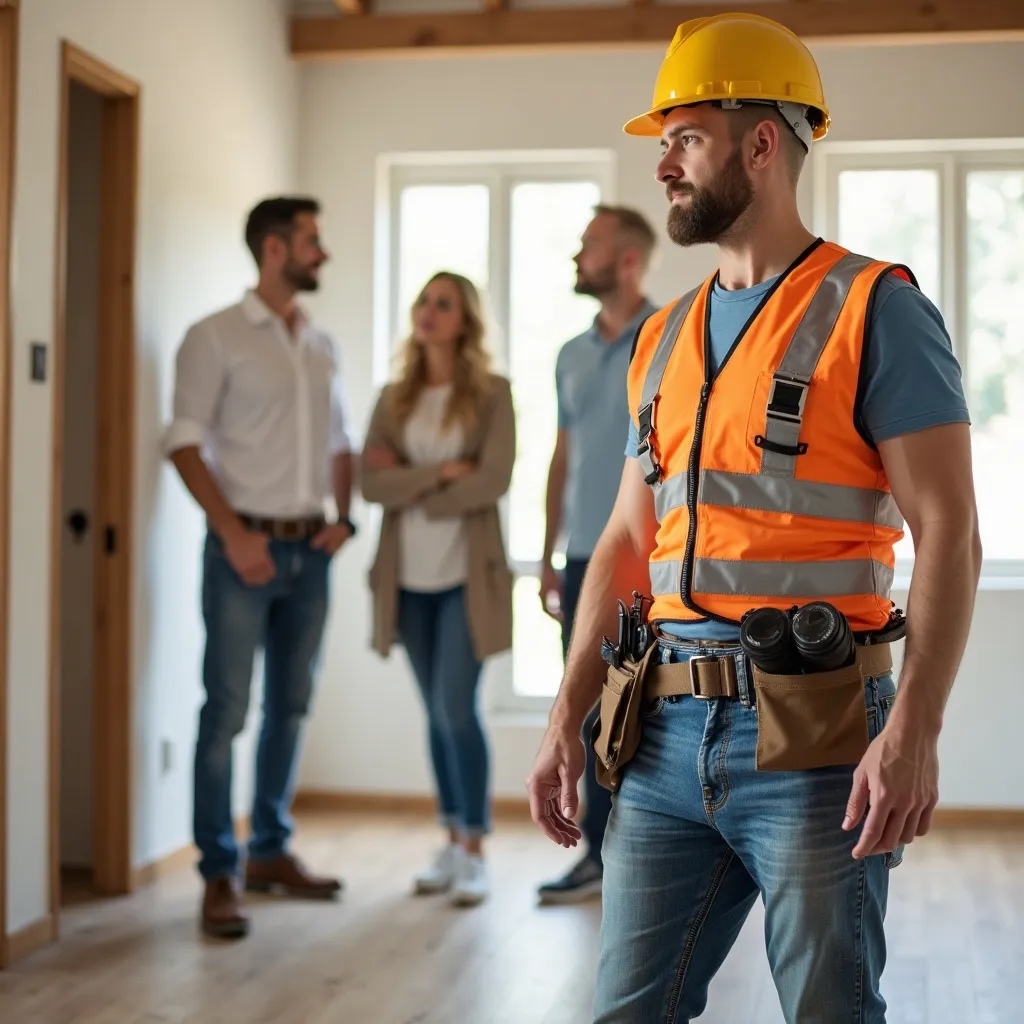
Standard Struggles in Picking a General Project Lead
When picking a general contractor, prospective customers often face numerous typical challenges that can hinder the decision-making process. One significant hurdle is the overwhelming number of choices on offer, which can lead to uncertainty and hesitation. Customers may find it hard to distinguish among contractors based on credentials, background, and cost, making it difficult to identify who will best meet their project needs.
Another difficulty is the lack of transparency in contractor proposals, where concealed expenses may emerge later, impacting the project budget. Additionally, clients may encounter problems related to interaction; some contractors may neglect to maintain client communication throughout the procedure, causing frustration. In conclusion, clients often grapple with confirming a contractor's references and past work, which can result in doubt about the quality of service expected. These challenges require careful consideration and research to ensure the correct decision is made.
Importance of a Reliable General Contractor
A reliable general contractor plays an crucial role in ensuring project management efficiency and maintaining quality assurance guidelines. Their skill helps optimize processes, minimizing delays and costs. Additionally, a trustworthy contractor upholds excellence, resulting in superior craftsmanship and client contentment.
Optimize Assignment Supervision Output
Efficient project handling depends on the trustworthiness of a general contractor. A dependable contractor assures that deadlines are met, resources are properly allocated, and communication flows smoothly among all stakeholders. Their competence in coordinating subcontractors, suppliers, and laborers directly influences the advancement and final success of the project. A trustworthy contractor minimizes delays and cost overruns This effectiveness fosters a cooperative setting supporting necessary modifications and enhancements. Ultimately, the general contractor's trustworthiness enhances both the operational facets of the project and confidence among clients and team members, ensuring everyone stays aligned toward a successful outcome.
Quality Assurance Benchmarks
Dependable builders play a key role in upholding quality assurance standards during the entire project. They guarantee that every task complies with established guidelines and industry protocols, which remains essential to the durability and safety of the structure. A competent contractor holds strict oversight over materials and workmanship, conducting regular inspections to detect and correct problems quickly. This proactive approach minimizes risks linked to inferior construction, in turn protecting the investment. Furthermore, a reliable contractor encourages communication among all stakeholders, guaranteeing clear and fulfilled expectations. By focusing on quality assurance, a skilled general contractor not only improves the end product but also builds trust with clients, establishing the base for successful project results.
Assessing a Contractor's Expertise and Standing
When selecting a general builder, understanding their background and track record is critical, as these factors significantly impact project results. A contractor's experience typically demonstrates their ability to handle various project types, complexities, and difficulties. Reviewing their body of work offers insight into previous projects, displaying workmanship and attention to detail.
Moreover, reputation plays a critical role in developing trust. Prospective clients should examine internet testimonials, testimonials, and references to ascertain satisfaction levels from previous clients. Consulting with past customers can indicate the contractor's reliability, communication skills, and adherence to timelines and budgets.
Moreover, industry affiliations and certifications can enhance a contractor's credibility, indicating a dedication to excellence and moral practices. By carefully assessing both experience and track record, clients can make informed decisions, ultimately laying the groundwork for a successful construction project.
Key Attributes of a Trustworthy Contractor
A trustworthy contractor consistently exhibits honesty, transparency, and strong interpersonal abilities. These essential qualities form the basis of a prosperous professional partnership. Honesty ensures the contractor adheres to moral standards, providing truthful evaluations and practical schedules. Openness entails openly sharing assignment information, encompassing costs and possible obstacles, building confidence between the contractor and the customer.
Excellent interpersonal abilities permit the contractor to efficiently express ideas, comprehend client expectations, and address any concerns that arise during the project. Additionally, a trustworthy contractor showcases flexibility, responding to modifications and unforeseen circumstances with poise and resilience. Attention to detail is one more key trait; it demonstrates a commitment to quality and precision in every aspect of the work. At the end of the day, these characteristics not only enhance project outcomes but also contribute to a positive relationship for clients, making the hiring of a trustworthy contractor all the more critical.
Key Questions for Selecting Your General Contractor?
How might one ensure they pick the correct general contractor for their project? By posing a series of targeted questions, potential clients can more effectively evaluate candidates. Initially, inquiring about the contractor's experience with similar projects provides insight into their expertise. It's also vital to ask for references; speaking with previous clients can reveal the contractor's reliability and standard of work.
Subsequently, evaluating licensing and insurance ensures that the contractor fulfills legal requirements and shields the client from potential discover details on liabilities. Clients ought to also inquire into timelines and project management methods to determine how the contractor plans to execute the project productively.
Budget discussions are essential; requesting a comprehensive quote avoids unexpected costs later. Finally, comprehending the contractor's preferred communication style can lay the groundwork for a successful partnership. By tackling these important inquiries, clients can choose wisely in selecting their general contractor.
The Significance of Communication With Your Contractor
Effective dialogue with a contractor is crucial for project achievement. Establishing explicit requirements and delivering timely updates can avoid confusion that often lead to expensive setbacks. Additionally, promoting an open dialogue cultivates trust, guaranteeing a smoother collaboration throughout the building process.
Clear Expectations Establish Achievement
Establishing well-defined expectations is crucial for a effective partnership with a general contractor. Effective communication lays the foundation for understanding project goals, timelines, and budget constraints. When both parties express their needs and concerns, it minimizes the risk of misunderstandings that can hinder progress. A contractor who knows the specific requirements can allocate resources efficiently and address potential challenges proactively. In addition, clear expectations fosters accountability, ensuring that the contractor delivers on promises and that the homeowner feels involved in the process. By prioritizing open dialogue from the outset, clients can improve cooperation and satisfaction, ultimately leading to a smoother project execution. Clear expectations not only streamline operations but also build trust between the homeowner and the contractor.
Well-timed Updates Avoid Misinterpretations
Defining distinct requirements provides the groundwork for cooperative achievement, though ongoing dialogue is absolutely critical. Frequent communication from a general contractor can prevent confusion that may arise in the course of a undertaking. When contractors frequently communicate project updates, customers remain abreast about project schedules, financial adjustments, and potential roadblocks. This forward-thinking dialogue aids in harmonize each party's goals and lowers the risk of conflicts down the road. Furthermore, if issues develop, immediate communication facilitates faster resolutions, keeping the work on schedule. Through fostering a climate of transparent exchange, construction professionals express their commitment toward the project's prosperity, ultimately leading to a better-organized operation and greater customer contentment. Therefore, prompt communications serve as a cornerstone for sustaining transparency and confidence within the construction process.
Frank Exchange Fosters Trust
As a undertaking progresses, keeping an transparent conversation with the main contractor becomes crucial for fostering trust and teamwork. Effective communication ensures that all parties have a clear understanding of expectations, schedules, and potential challenges. When contractors and customers engage in frequent conversations, it allows for the identification of issues before they worsen, minimizing disruptions. This openness not only creates assurance but also enhances the overall construction experience. Furthermore, an direct communication channel promotes input, enabling the builder to make adjustments that align with the client's goals. Ultimately, strong communication creates a foundation of mutual respect, which is essential for the successful completion of any construction undertaking. Confidence cultivated through communication leads to improved results for everyone involved.
Commonly Asked Questions
What ways can I use to determine if a Contractor has been Licensed?
To determine if a contractor is licensed, one should inspect local licensing boards or websites, validate their license number, and confirm it's active. Additionally, reviewing internet feedback can furnish understanding of their credibility and reliability.
What Insurance Should My Work Professional Obtain?
A professional should carry all-encompassing liability coverage, workers' compensation, and, if applicable, professional liability insurance. These mitigate potential damages, workplace injuries, and errors in workmanship, safeguarding financial protection for both the contractor and the client.
How Do I Validate a Service Provider's References?
To assess a contractor's references, one should request a list of former clients, contact them personally, and inquire about their experiences. Additionally, studying digital reviews and rankings can supply valuable insights into the contractor's credibility.
What Should I Take if Difficulties Present Themselves During the Assignment?
If issues arise during the project, one should document the problems, speak openly to the contractor, and seek a resolution. If necessary, bringing in a mediator or seeking legal advice may also be suitable.
What Red Flags Should You Keep an Eye On During the Hiring Process?
Caution signs throughout the hiring process encompass imprecise estimates, lack of references, poor communication, inadequate licenses, and negative online reviews. These markers intimate conceivable complications that could impact the timeline and quality of the project.
Report this page